Overview: What Are Heart Attacks and Panic Attacks?
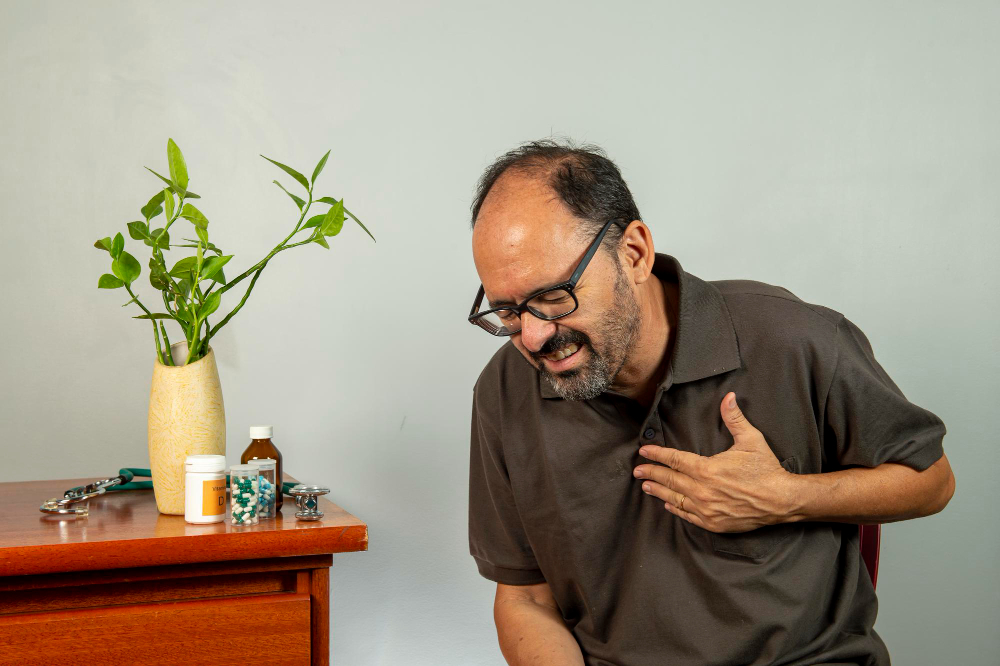
Many people feel scared when they have chest pain or a racing heart. Sometimes, it is hard to know if it is a heart attack or panic attack. Both can feel similar, but they are very different. Knowing the difference between a heart attack and panic attack can help you act quickly. Heart attacks happen when blood flow to the heart is blocked. Panic attacks are sudden waves of fear or anxiety. Both need attention, but the treatments are not the same. Let’s learn more about each condition.
Key Symptoms: How to Recognize Each Condition
It is important to know the symptoms of heart attack and panic attack. This can help you decide what to do next. Although some signs overlap, there are key differences.
Symptoms of Heart Attack
According to the CDC, chest pain is the most common sign of a heart attack.
Symptoms of Panic Attack
While both can cause chest discomfort, panic attacks often come with fear and last about 10–20 minutes.
Causes and Risk Factors
Understanding what causes each condition can help you stay alert. Heart attacks and panic attacks have different triggers and risk factors.
Heart Attack Causes and Risks
According to the WHO, lifestyle choices play a big role in heart attack risk.
Panic Attack Causes and Risks
Although panic attacks can happen to anyone, they are more common in people with anxiety disorders.
Diagnosis: How Doctors Tell Them Apart
Doctors use several tools to find out if you are having a heart attack or panic attack. First, they ask about your symptoms and medical history. Next, they may do tests such as:
If these tests are normal, and your symptoms fit, doctors may diagnose a panic attack. However, it is always safer to rule out a heart problem first.
What to Do in an Emergency
If you or someone else has chest pain, act fast. Even if you think it is a panic attack, it is better to be safe. Here’s what you should do:
If you know it is a panic attack, try slow, deep breathing and remind yourself it will pass. Still, if you are unsure, seek medical help.
Prevention and Lifestyle Tips
While you cannot prevent every heart attack or panic attack, healthy habits can lower your risk. Try these tips:
For panic attacks, talking to a mental health professional can help you learn coping skills.
When to Seek Medical Help
Always seek help if you have chest pain, trouble breathing, or feel faint. Even if you think it is a panic attack, it is best to get checked. Early treatment saves lives. If you have risk factors for heart disease, talk to your doctor about ways to stay healthy.
If you are unsure or have symptoms, consult a healthcare professional immediately.