Introduction
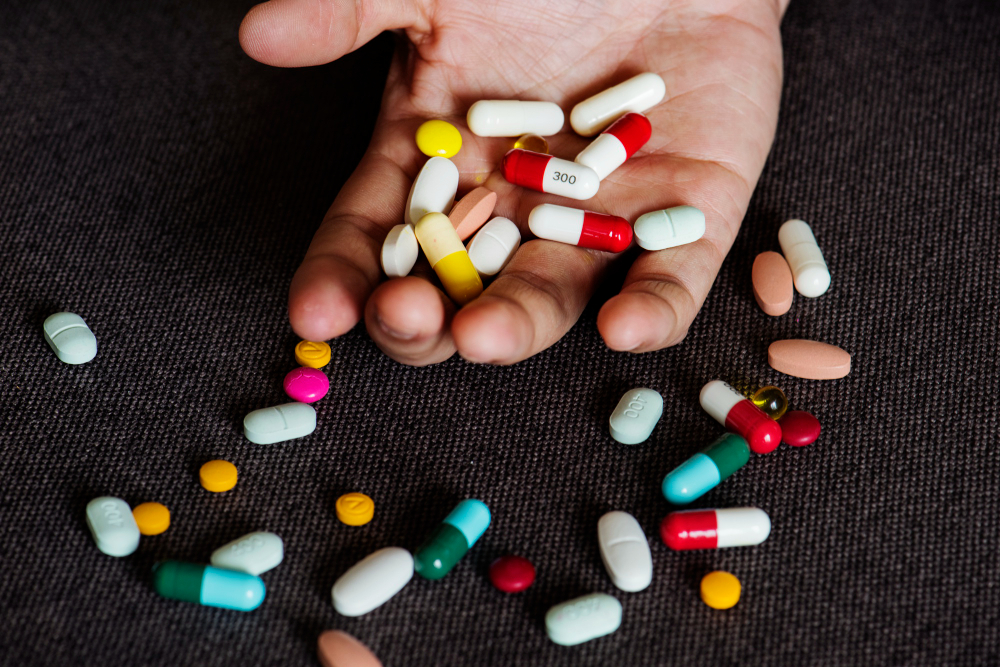
Drug poisoning is a serious health risk that can affect anyone. It happens when someone takes too much medicine or the wrong kind. Sometimes, drug poisoning is accidental, but it can also happen on purpose. Because the signs of drug poisoning can be hard to spot, it is important to know what to look for. Early action can save lives. In this blog, you will learn about symptoms, causes, diagnosis, treatment, and how to prevent drug poisoning.
What is Drug Poisoning?
Drug poisoning occurs when a person takes a harmful amount of medicine or drugs. This can include prescription drugs, over-the-counter medicines, or illegal substances. Sometimes, even small amounts can be dangerous, especially for children or older adults. According to the Centers for Disease Control and Prevention (CDC), drug poisoning is a leading cause of emergency visits. Knowing how to treat drug poisoning quickly is vital.
Common Symptoms
Recognizing the signs of drug poisoning early can help prevent serious problems. Symptoms may appear suddenly or develop over time. For example, some people may feel sick right away, while others may not notice symptoms until hours later. Watch for these common signs:
If you notice any of these symptoms, seek help right away. Quick action can make a big difference.
Causes and Risk Factors
There are many causes of drug poisoning. Sometimes, people take the wrong dose by mistake. Other times, mixing medicines can cause harmful effects. Children are at high risk because they may swallow pills by accident. Older adults are also at risk due to multiple prescriptions. Here are some common causes and risk factors:
Because some people have health conditions that make them more sensitive, always follow your doctor’s advice.
Diagnosis
Doctors use several steps to diagnose drug poisoning. First, they ask about the person’s symptoms and what drugs were taken. Next, they may do a physical exam. Sometimes, blood or urine tests help find out what drug is in the body. In some cases, doctors use imaging tests to check for organ damage. Early diagnosis is key to safe recovery. If you suspect drug poisoning, share all details with the healthcare team.
Treatment Options
Treating drug poisoning depends on the type and amount of drug taken. However, quick action is always important. Here are common treatment steps:
In some cases, hospital care is needed. For example, if the person is unconscious or has trouble breathing, call emergency services right away. The World Health Organization (WHO) recommends seeking medical help as soon as possible.
Prevention Tips
Preventing accidental drug poisoning is possible with simple steps. Because prevention is better than cure, follow these tips:
With these steps, you can lower the risk of drug poisoning at home.
When to Seek Medical Help
If you think someone has drug poisoning, act fast. Call emergency services or go to the nearest hospital. Do not wait for symptoms to get worse. For example, if the person is having trouble breathing, is unconscious, or has seizures, get help right away. Even if you are unsure, it is safer to seek medical advice. Drug poisoning first aid can save lives, but professional care is often needed.
Conclusion
Drug poisoning is a serious but preventable health problem. Knowing the signs of drug poisoning and how to treat drug poisoning can help protect you and your loved ones. Always store medicines safely and follow your doctor’s advice. If you suspect drug poisoning, consult a healthcare professional immediately for personalized care.